
Best Wood for Fence
Building a fence in Oregon isn’t just about marking boundaries; it’s about making a statement, and choosing the right materials can make all the difference. Wood remains a favorite for fencing due to its natural beauty and structural integrity. However, not all woods are created equal, and picking the best type of wood for a fence involves weighing several factors.
Let’s explore the best types of wood fences on the market to help you build the right one for your home.
What to Consider When Choosing a Wood for a Fence?
- Local Weather: The weather in your area plays a decisive role in selecting the proper wood for your fence. Woods like cedar and teak withstand damp climates well, while others might be better suited for drier conditions.
- Budget: Factor in the average costs when choosing your fencing material. While some options, like cedar and redwood, offer excellent quality and longevity, others, like pressure-treated pine, provide a more budget-friendly yet still durable solution.
- Insects: Choosing a wood with natural insect-repellent qualities is crucial, especially in areas prone to insect damage. Woods like cedar and cypress naturally deter pests, reducing the need for chemical treatments.
- Aesthetic Preferences: The appearance of your fence can significantly affect the curb appeal of your property. Woods like cedar offer a rich, natural color and attractive grain that many homeowners find appealing. Select a wood type that complements your home’s exterior design and personal tastes.
- Maintenance Requirements: Consider the level of maintenance you are willing to commit to. Some woods, like cedar and redwood, require minimal upkeeping due to their natural resistance to rot and decay. Others may need regular treatment and staining to maintain their condition and appearance.
- Environmental Impact: Choose woods that are sustainably sourced or have certifications from environmental organizations. Using environmentally friendly materials can reduce your ecological footprint while ensuring your fence is built responsibly and sustainably.
- Installation Process: Some woods are easier to install than others. Lightweight options like pine are easier to handle and can be great for DIY projects. Hardwoods might require professional tools and skills, influencing your decision based on your installation preferences and capabilities.
What Are the Most Popular Types of Wood for Fencing?
Cedar
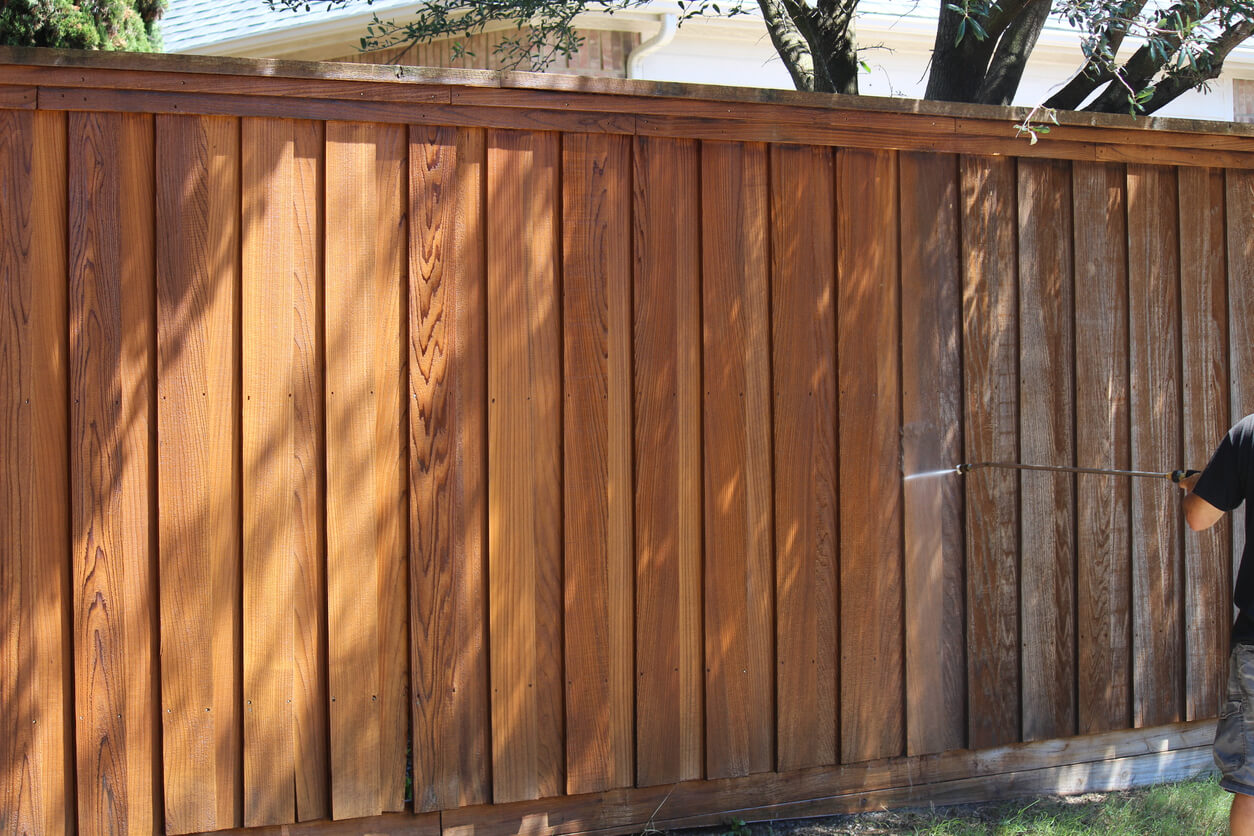
Cedar wood is favored for its high resistance to decay and insects, making it perfect for constructing fences. Its rich, natural color enhances the visual appeal of its properties. Cedar is commonly chosen for both fence posts and panels due to its durability. Homeowners appreciate cedar fences’ longevity, which combines minimal maintenance with aesthetic enhancements for any yard.
Redwood and Teak
Redwood and teak are celebrated for their durability and longevity, featuring a rich color that deepens and enhances with age. They are considered premium choices for fencing due to their minimal maintenance needs. Homeowners choose these woods for their strong and visually appealing fence structures. Their natural resistance helps prevent decay and weathering.
Treated Wood
Pressure-treated pine is durable and cost-effective. This wood is treated with preservatives to resist rot and insect attacks. It is particularly useful in moist and rainy climates where decay is a concern. Pressure-treated wood is commonly used for fence posts and ground-touching parts, and it offers long-term durability at a moderate cost.
Cypress
Cypress wood is attractive due to its inherent resistance to decay and insects. It maintains its quality over the years without significant wear. This wood type is a solid investment for long-term fencing solutions. Cypress fences are favored for their durability and appealing natural color. Homeowners appreciate the low maintenance required for its upkeep.
Oak
Oak is known for its strength and classic appeal in fencing. This wood type offers exceptional durability and aesthetic appeal. It is less common but highly effective for sturdy fence constructions. Oak wood can handle significant stress and wear. Its deep, attractive color appeals to those seeking a traditional fence look.
Douglas Fir
Douglas fir is valued for its strength and hardness. It is an excellent choice for durable wood fencing. This wood withstands heavy use and can be treated to resist outdoor elements. Douglas fir is a reliable option for anyone needing a strong fence. It’s often used where structural integrity is paramount.
Pine
Pine is popular due to its affordability and flexibility. This wood type adapts well to various treatments for enhanced durability. Pressure-treated pine offers resistance against rot and pests. It is a common choice for different styles of wood fences. Pine is versatile and can be used in a variety of fence designs.
Tropical Hardwoods
Tropical hardwoods are celebrated for their exceptional density and durability. These woods resist rot naturally, making them excellent for fencing. Their strength ensures a long-lasting wood fence. Although more expensive, tropical hardwoods offer unparalleled longevity and toughness. They are preferred for high-end, durable fencing solutions.
What Is the Best Wood for a Fence?
Cedar consistently stands out as the top choice for fencing because of its versatility and aesthetic qualities. It successfully combines beauty with functional benefits such as decay and insect resistance. Cedar enhances the curb appeal of homes while offering a reliable, low-maintenance solution, making it especially popular among homeowners across various climates.
What Is the Best Wood for an Outdoor Fence?
Cedar and redwood are superior choices for outdoor fencing thanks to their resistance to moisture and decay. These woods maintain their structure and appearance under harsh weather conditions. They are ideal for outdoor use, providing long-lasting beauty and strength. Cedar and redwood fences resist environmental wear and require little upkeep.
What Is the Best Wood for a Privacy Fence?
Cedar is the best wood for privacy fences because it is both dense and durable. It ensures privacy by forming solid barriers that are difficult to see through. Cedar also adds a pleasant scent and attractive appearance to your property. Its grains are visually appealing, making cedar a top choice for privacy fencing.
What Is the Best Wood for a Horizontal Fence?
Horizontal fences benefit from stable woods that resist warping, such as cedar and pressure-treated pine. These woods maintain their shape and provide a modern appearance. They are strong and durable, ensuring the longevity of the fence. Cedar and treated pine are recommended for their aesthetic and structural qualities.
FAQs
What Type of Wood Fence Lasts the Longest?
Cedar and redwood are known for their longevity when used in fencing. Their natural properties help them withstand decay and harsh weather. These woods are also resistant to insects, which contributes to their durability. A well-maintained cedar or redwood fence can last for several decades.
Is Redwood or Cedar Better for a Fence?
Both redwood and cedar are excellent for fencing, but redwood slightly edges out due to its moisture resistance. Redwood tends to last longer in wet climates. However, cedar offers a more cost-effective solution with similar benefits. Both choices are highly durable and enhance the aesthetic value of fences.
What Is the Strongest Type of Wooden Fencing?
The strongest wooden fences are typically made from oak or tropical hardwoods. These woods are highly dense and extremely durable. They are ideal for fencing that needs to withstand physical stress or severe weather. Their robust nature makes them perfect for protective, high-security fencing.
What Grade of Lumber Is Used for Fences?
Construction-grade lumber is widely used in fence installations. This wood is a balanced choice that offers durability without being too expensive. It has fewer blemishes than lower grades and provides a consistent appearance. This lumber grade enhances the overall look of fences while being cost-effective.
Need the Ideal Wood for Your Fence? We’re Here to Help!
The type of wood you select for your fence in Oregon is crucial for ensuring its longevity, low maintenance, and privacy effectiveness. Given Oregon’s diverse climates, from coastal moisture to dry eastern regions, making the right choice can significantly impact your fence’s durability and appearance.
If you’re looking for expert advice on choosing the best wood species for your specific Oregon locale, CB Fence Company is here to help. We excel in providing high-quality, locally sourced materials tailored to withstand the unique Oregon climate. Our expert installation team brings years of experience and precise craftsmanship to every project, ensuring that your fence not only looks great but also stands the test of time against Oregon’s varied environmental conditions.
Contact us today, and let us assist you in constructing the perfect fence to complement your property.